Winter in the Dominican Republic, From a Home You Own
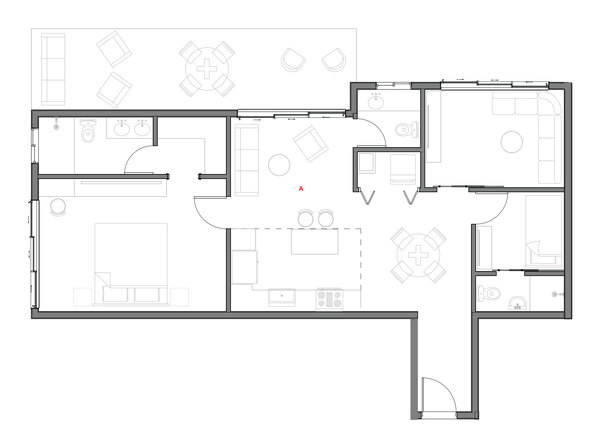
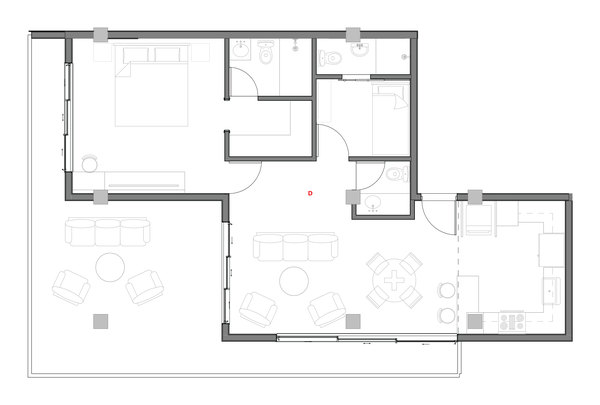
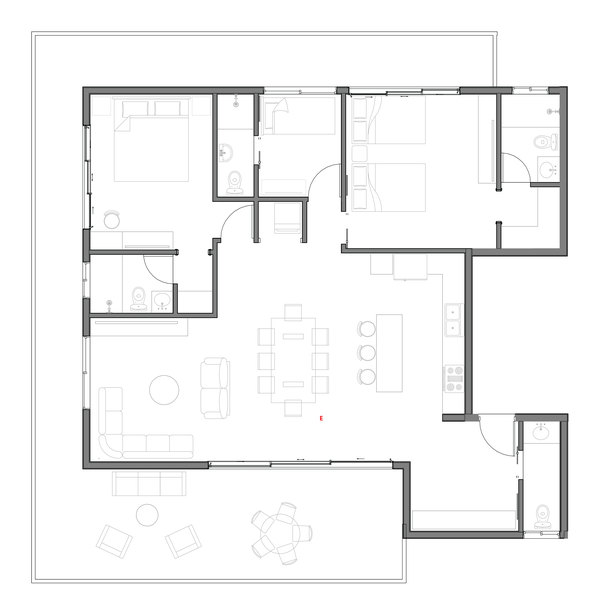
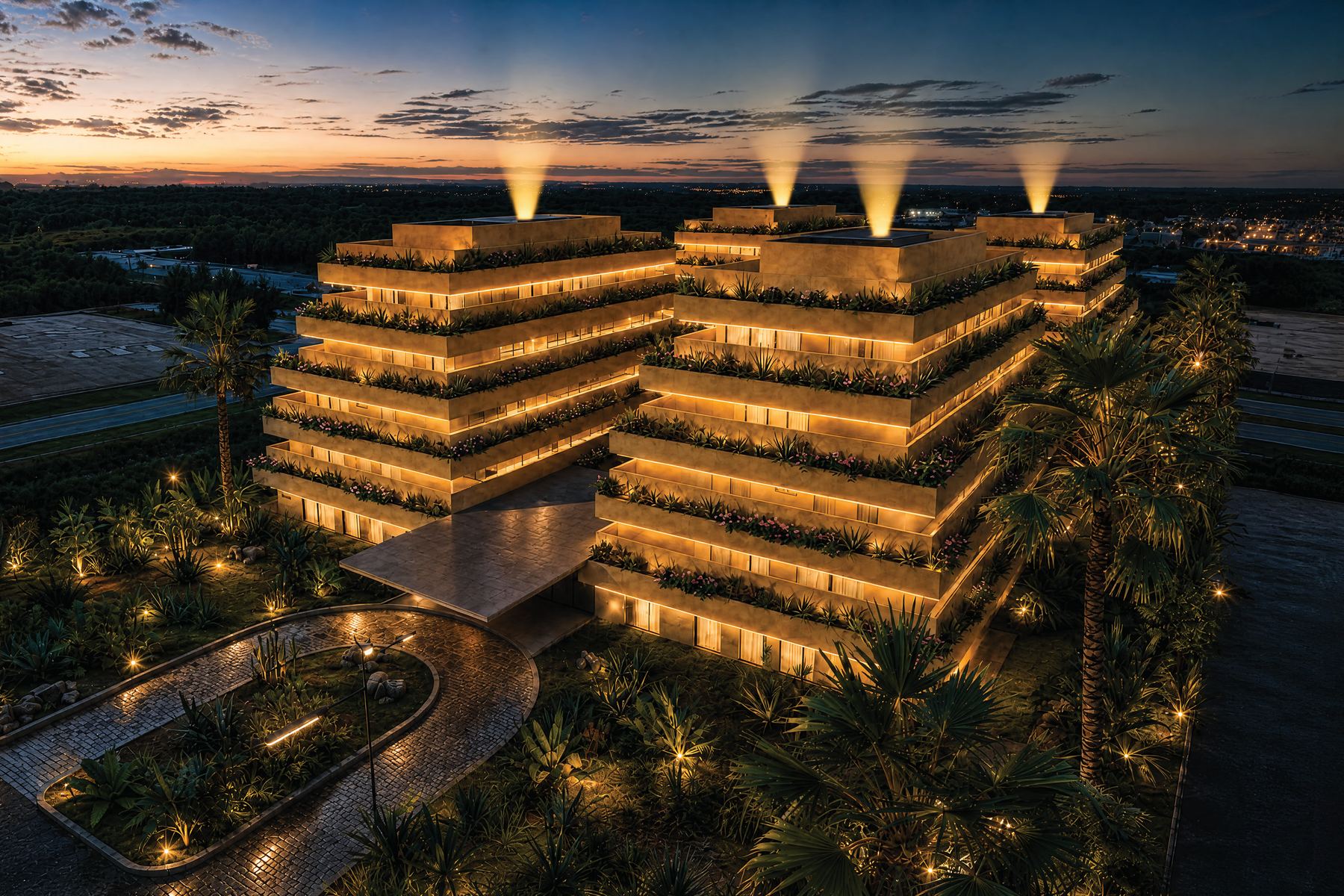
For anyone leaving snow behind, winter in the Dominican Republic is the reason to own here rather than simply visit. This page looks at the season the way a seasonal owner has to: what the months from December to March are actually like on the east coast, why the calendar is on your side, and what spending those months in your own residence does to the rental numbers. The worked example is Itza Golden Residences, 52 residences in four stepped towers beside the lake at Golden Lakes, in Cap Cana.
What December to March feels like on the east coast
The short answer is warm, steady and a little breezier than the rest of the year. Averaged over many years, the daytime high in Punta Cana barely moves through the northern winter: about 83°F in December, January and February, edging to about 84°F in March. Nights are where you notice the season. February is the coolest month by its overnight low, at about 72°F, which is the kind of evening when a light layer on a terrace is welcome rather than necessary.
The sea stays swimmable throughout, at roughly 81°F in December and settling near 79°F by February and March. Humidity, on the other hand, does not take the winter off: it stays high all year, so the comfort of the season comes from the lower nighttime temperatures and the trade wind rather than from dry air.
Treat the figures below as long-run averages rather than a forecast. They are modelled from satellite-era reanalysis data, and any particular week can run a couple of degrees either side.
| Month | Average high | Average low | Sea temperature |
|---|---|---|---|
| December | about 83°F | about 74°F | about 81°F |
| January | about 83°F | about 73°F | about 80°F |
| February | about 83°F | about 72°F | about 79°F |
| March | about 84°F | about 73°F | about 79°F |
A season that sits outside the storm calendar
The most useful fact for a winter owner is a date range you will never be in. Atlantic hurricanes are a 1 June to 30 November affair, so a home used from December onward is used entirely outside it. The months you are away are the months when the building is simply closed up and waiting.
The winter also overlaps the drier part of the year. On average the drier season runs from about December 29 to April 30, when the chance of a wet day is at its lowest. Rain in the Caribbean tends to arrive as a passing shower rather than a grey week, but the difference between the seasons is real and it favours exactly the months a snowbird is here.
One adjustment catches people out: daylight. Near the winter solstice the day is about 11 hours long, so sunset comes early in the evening. A west-facing terrace, a late lunch by the pool and an early start for the beach all make more of it.
Owner-use nights and rental nights are the same nights
Many winter buyers also want the residence to earn while they are away, and here the arithmetic deserves honesty. KMA Developments' own rental projection for a two-bedroom residence shows 8.2% net, at an assumed average occupancy of 65% across the year, after management, operating costs, HOA, insurance and a furniture reserve. The same sheet reaches about 10% only by counting 28 nights of personal use as if they were income.
That second figure is the one to read carefully. It is built around a four-week stay, not a four-month one. Every winter night you spend in the residence is a night it is not available to a guest, and the months a northern owner most wants to be here are, for the same reason, the months many northern travellers want to book. A long season at home and a strong rental year pull against each other.
None of this makes either choice wrong. It means the projection is a starting point to rebuild with your own dates, not a promise: it is the developer's projection, with no guarantee, and the only version that matters is the one that uses your calendar. Short-term rental is permitted at Itza, and no rental operator has been named, so plan on choosing the arrangement yourself.
Closing up in April, opening up in December
A seasonal home is judged as much by how easily it closes as by how it feels in January. A few specifics at Itza bear on that.
- It arrives unfurnished. Residences are delivered with a stove, fridge, oven, washer and dryer, and with VRF air conditioning, but without furniture. For a snowbird that is an advantage: you furnish once, for how you live, and leave it in place.
- Control from the wall or by voice. Lights and air conditioning run on Alexa smart-home control, which helps with the everyday routine of arriving and leaving.
- A car can stay under cover. The project has 78 underground parking spaces, which matters when a vehicle waits out the months you are gone.
- The running cost does not pause. The HOA is estimated at about $0.33 to $0.37 per sq ft per month, and it is paid in the months you are away as well as the months you are here.
What the developer's documents do not describe is any service for absent owners, such as periodic unit checks. Ask about it before you rely on it, and budget for arranging it privately if nothing is offered.
Making a whole season easy to start
The best winter is the one that begins the day you land. From Itza, Punta Cana International Airport is about 16 minutes by road, some 8.4 miles. Marina Cap Cana and Juanillo Beach are each about 8 minutes away, and the Punta Espada course about 6. The lake and its lakeside beach are on the site itself.
Two paperwork points are worth knowing before a season longer than a holiday. First, driving: INTRANT, the transport authority, is widely reported to let visitors drive on their home licence for about 90 days, but that is an administrative practice rather than a written statutory right, so confirm it before a December-to-March stay that runs past it. Second, tax: Dominican tax residency is described as 182 days in the country, and residency for immigration purposes is a separate matter again. A winter season sits well short of that threshold, but your own position is a question for a tax advisor, not for this page.
Finally, timing. Itza is planned for delivery in Q4 2029, so the first winter it can host is the one that follows. Reserving today secures a residence and a floor plan, not a key for this coming season.
Common questions
- Is winter a good time to be in the Dominican Republic?
- For most northern visitors it is the most comfortable part of the year. In Punta Cana, December to March averages daytime highs of about 83°F to 84°F with nights of about 72°F to 74°F, the sea stays near 79°F to 81°F, and the whole period falls outside the Atlantic hurricane season, which runs from 1 June to 30 November. These are long-run averages, not a forecast for any one week.
- Does it rain in Punta Cana in winter?
- Less than at other times of year. On average the drier season runs from about December 29 to April 30. Showers still happen, usually brief ones, and humidity stays high all year, so the winter feels comfortable mainly because the nights are cooler.
- Can I rent my residence out while I spend the winter in it?
- You can rent it for the months you are not using it; short-term rental is permitted at Itza. What you cannot do is rent the same nights you occupy. The developer's projection of 8.2% net assumes 65% occupancy across the year and reaches about 10% only by valuing 28 personal-use nights, so a long winter stay will change the figure. It is a projection, not a guarantee.
- Will the residence be ready for this winter?
- No. Itza is planned for delivery in Q4 2029, so its first winter is the one that follows that date. Buying now secures the residence and its plan well ahead of that first season.
Want the details for your own situation?
Ask about availability, layouts or the buying process, and someone from the sales team will get back to you.
Get in touch