Retiring to Costa Rica or the Dominican Republic: Before, During and After the Move
Many people buy a retirement home years before they retire. The residence is let to holidaymakers while they are still working, becomes home when they stop, and is eventually sold or left to their children. Each of those stages is taxed differently in Costa Rica and in the Dominican Republic, and comparisons that stop at the visa leave most of them out. This page follows one home through all three, using Itza Golden Residences as the example: 52 residences beside the lake at Golden Lakes, in Cap Cana, planned for delivery in Q4 2029. It describes the rules each country publishes, names no building in Costa Rica, and is not tax advice.
One home, three chapters
A retirement purchase is rarely a single decision. For a buyer in their fifties or early sixties, the home usually passes through three chapters: a period when it is let while the owner still works elsewhere, the years when it is lived in, and an ending in which it is sold or handed on. Each chapter meets a different part of the tax and immigration rules, and the two countries line up differently at each one.
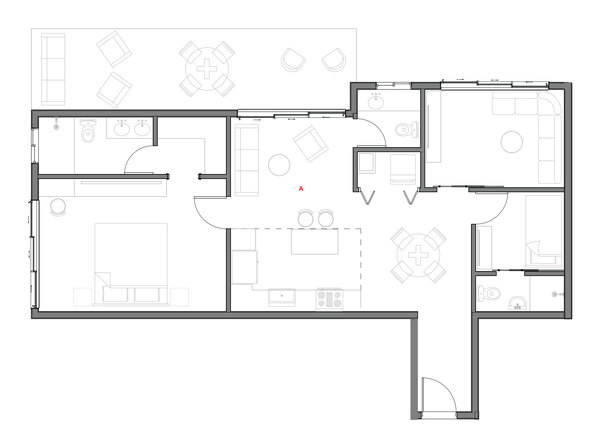
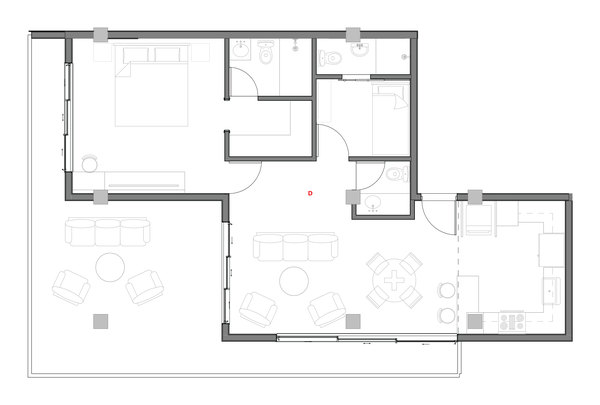
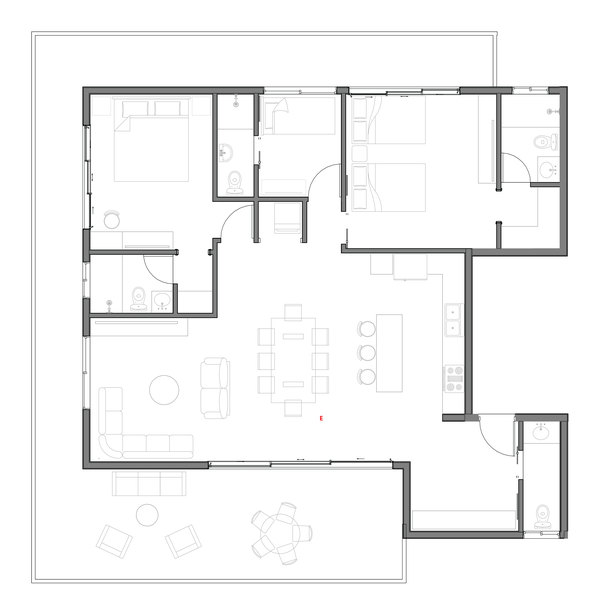
The timeline at Itza makes the first chapter concrete. Delivery is planned for Q4 2029, so a buyer today is choosing a place to retire into rather than a place to move to next month. Short-term rental is permitted at the development, which means the years between delivery and retirement can be rental years if you want them to be. The table sets out what to compare at each stage, and the sections below take them one at a time.
| Chapter | Question to compare | Where this page answers it |
|---|---|---|
| Before you move | How a holiday let is taxed while you live abroad | The rental years |
| Moving in | Which residency route your income or your home can open | Becoming a resident |
| Selling | How a gain is taxed, and whether your home is exempt | Selling later |
| Passing it on | What heirs pay and which law governs the estate | Leaving it to your family |
The rental years: what each country takes from a holiday let
If the residence earns while you are still working, the first comparison is how each country taxes a short stay. In the Dominican Republic, short-term tourist accommodation carries ITBIS, the value-added tax, at 18%, and the host is liable for it, not the booking platform. An owner who is not resident for tax faces income-tax withholding of 27% on gross rental income, with no deductions, as a single and definitive payment. Housing let to someone who lives in it permanently is exempt from ITBIS, so the treatment depends on how the residence is let.
Costa Rica regulates holiday letting through its law on non-traditional lodging, which requires hosts to register with the national tourism institute, the ICT, and applies the 13% value-added tax to short stays. Rental income is then taxed at 15%, after a fixed allowance of 15% of gross income for expenses rather than the costs you actually incurred. How either regime applies to you, and how it interacts with the tax you pay at home, is a question for an adviser in each country; rates change, so confirm them before you let.
One detail matters when you read the projection for Itza. The developer projects 8.2% net for a two-bedroom residence at an assumed 65% occupancy and a $276 average nightly rate, after management, operating costs, HOA, insurance and a furniture reserve. Income tax does not appear among the costs it deducts, so ask how the 27% withholding described above would change the figure. It is a projection, not a guarantee, and no rental operator has been named, so the arrangement is yours to choose.
| Tax on a holiday let | Dominican Republic | Costa Rica |
|---|---|---|
| On the stay itself | ITBIS of 18%, owed by the host | VAT of 13%, with host registration at the ICT |
| On the rental income | 27% withheld from gross for a non-resident owner, no deductions | 15%, after a fixed 15% allowance for expenses |
Becoming a resident: income routes and the home itself
When the working years end, the residence becomes the address, and the question turns to residency. Both countries offer a route built around a pension. The Dominican Republic's Law 171-07 sets the pensionado floor at US$1,500 a month and adds a rentista route for at least US$2,000 a month of steady passive income. Costa Rica's immigration rules ask a pensionado for a lifetime pension of at least US$1,000 a month. Treat all three as figures to reconfirm before you file.
For a retiree who would rather show an asset than an income, the comparison turns on the home itself. A 2021 Costa Rican law lowered the investor-residency minimum to US$150,000 and lists real estate among the investments that count toward it; ask a Costa Rican immigration attorney how the property must be held and whether the rule still stands. The Dominican investor route is described as starting at US$200,000, but sources conflict on whether, and at what amount, real estate counts, so no source we can cite lets this page say a purchase at Itza opens that route. Plan around an income-based route, and put anything more to a Dominican immigration attorney.
Residency and tax residence are separate matters in the Dominican Republic: tax residence follows 182 days of presence in a year, and a residency card does not settle it on its own. That distinction becomes important in the next chapter.
Selling later: the habitual-home test
Plenty of retirees sell eventually, to move nearer family or into something smaller. Both countries tax the gain and both relieve a main home, but on different terms. In the Dominican Republic, Law 30-26 of 18 June 2026 sets a single rate of 10% on an individual's gain from real estate, measured as the sale price minus an inflation-adjusted cost. A seller who is not a Dominican tax resident should confirm which rate applies to them, because the tax authority's material does not yet say, and the detail of the base awaits regulation. Two exemptions exist: one for individuals over 65 selling their habitual residence, and one for the proceeds of a habitual residence reinvested in another within six months.
Costa Rica taxes capital gains at 15% of the net gain and exempts the gain on the taxpayer's habitual residence at any age, defining it as a home in which its owners regularly live. The Costa Rican rate is higher, but its home exemption is wider.
In both countries, then, the word that decides the bill is habitual. A residence that spent its first years as a holiday let, and only later became your home, may need evidence of the change. Keep a record of when you moved in, hold your residency papers, and ask an adviser in the country you choose what proof is expected before a sale counts as the sale of your habitual residence.
Leaving it to your family
The last chapter is the one most comparisons skip. A Dominican home falls inside the Dominican succession tax whatever the owner's nationality: the tax authority applies it at 3% to inherited property located in the country, with or without a will, and the sworn declaration is due within 90 days of the death. That 3% is not the whole cost, since registry fees, translations and legal fees are separate. Law 30-26 also cut the tax on gifts between direct-line relatives, spouses and siblings from 27% to 3%, which makes a lifetime gift to children worth raising with an attorney.
Which law governs the estate is a separate question. Under the Dominican Republic's private international law, Law 544-14, a succession follows the law of the deceased's domicile at death, and a will can choose the law of the State of habitual residence instead; Dominican courts are competent whenever the deceased owned real estate in the country. A retiree who lives in Cap Cana but keeps family and assets abroad should ask how those rules fit with their home country's.
In Costa Rica, specialist commentary states that there is no inheritance or estate tax as such, although recording the transfer to the heirs still has costs. Probate can run before a notary when all heirs are adults and in agreement, and must go to court when there are minor heirs or a dispute. A will made abroad does not take effect on Costa Rican real estate by itself, which is why owners there are commonly advised to make a local will. Whichever country you choose, write the will with the property in mind rather than as an afterthought.
What holds steady at Itza through every chapter
Some things do not change from one chapter to the next. The HOA is estimated at about $0.33 to $0.37 per sq ft per month, and it is paid whether the residence is let, lived in or waiting to be sold. Residences are delivered unfurnished, with appliances and VRF air conditioning, so the first owner furnishes them. Punta Cana International Airport is about 16 minutes by road, which helps in every chapter, from guests arriving to family visiting.
The yearly property tax is where the two countries differ while you simply own. Costa Rica charges 0.25% a year on the registered value. The Dominican IPI is 1%, charged only on value above an exempt threshold adjusted each year, and the tourism-incentive law, CONFOTUR, exempts the first buyers in an approved project. Itza is expected to carry CONFOTUR benefits; that is planned, not granted, so ask your attorney where the classification stands before you count on it.
Common questions
- Is Costa Rica or the Dominican Republic easier to retire to on a smaller pension?
- On the pension route alone, Costa Rica asks less: at least US$1,000 a month, against US$1,500 under the Dominican Republic's Law 171-07. A pension is only one test, though. Over a long retirement, how each country taxes rent, a sale and an estate can weigh as much, so compare all three before you choose.
- Can I let my retirement home in the Dominican Republic before I move there?
- National law permits short-term rental, and Itza allows it; the binding limit is a condominium's own bylaws. A short stay carries 18% ITBIS, which you owe as host, and a non-resident owner faces 27% withholding on gross rent. Itza is planned for delivery in Q4 2029, so its rental years begin after that.
- Will I pay tax when I sell a home in Costa Rica or the Dominican Republic?
- Usually on the gain. Since June 2026 the Dominican Republic sets 10% for individuals, with exemptions for a habitual residence sold by someone over 65 or reinvested within six months; a non-resident seller should confirm which rate applies. Costa Rica charges 15% and exempts a habitual residence at any age.
- Is there an inheritance tax on a Dominican home owned by a foreigner?
- Yes. The 3% succession tax applies to property in the Dominican Republic whatever the owner's nationality, and the declaration is due within 90 days of the death. Registry, translation and legal costs come on top, so ask a Dominican attorney for the full picture before you plan an estate.
- Does owning a home give me residency in Costa Rica or the Dominican Republic?
- Not automatically in either. Costa Rica's investor route, set at US$150,000 by a 2021 law, lists real estate among the investments that count, under conditions an attorney should check. The Dominican investor route is described at US$200,000, but sources conflict on whether real estate counts, so we cannot say a purchase opens it.
Want the details for your own situation?
Ask about availability, layouts or the buying process, and someone from the sales team will get back to you.
Get in touch